The Future of Work: Why Human-AI Collaboration is the Real Game Changer
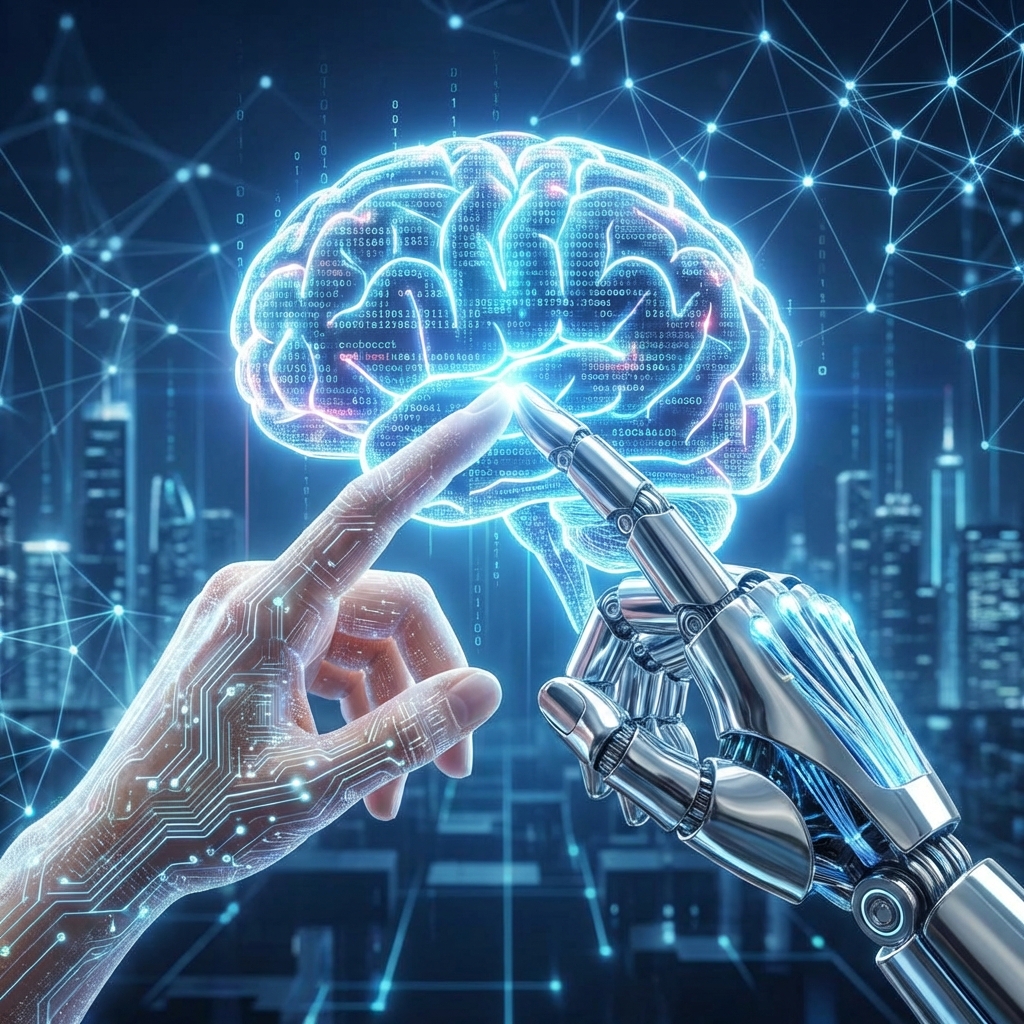
For years, the mainstream narrative around Artificial Intelligence was dominated by fear: the fear of replacement. However, as we move into 2026, the reality is far more optimistic and collaborative. At Codexal, we believe the future of work isn't about AI vs. Humans, but about the incredible synergy that emerges when they work together as one.
1. The Rise of the AI "Co-Pilot"
We are entering the era of the "Co-Pilot." Whether you are a developer, a designer, or a financial analyst, Generative AI models are now integrated directly into your workflow. These tools don't take over your job; they handle the mundane, repetitive, and data-heavy tasks, allowing you to focus on high-level strategy and creativity.
In software engineering, for example, AI-driven DevOps tools are now auto-suggesting code fixes and optimizing deployment pipelines, reducing manual effort by up to 60%.
2. The Human Skills of the Future
As AI takes over analytical and technical legwork, what skills become more valuable? Paradoxically, the most important skills in a high-tech world are the most "human" ones:
- Emotional Intelligence: Understanding nuances in client communication and team dynamics.
- Critical Thinking: Verifying AI outputs and making ethical judgments.
- Prompt Engineering: The ability to structure queries effectively to get the most out of AI systems.
3. Unprecedented Productivity Gains
Case studies from early adopters of AI-integrated workflows show a dramatic increase in throughput. For instance, in customer support, AI chatbots can resolve 80% of routine queries, allowing human agents to spend more time on complex cases that require empathy and deep problem-solving.
Our work at Codexal in AI-driven OCR solutions has demonstrated that businesses can process documents 10x faster when combining automated extraction with human verification.
4. Ethical AI and the Responsibility of Leadership
With great power comes great responsibility. Leaders must ensure that AI collaboration is implemented ethically, avoiding bias and ensuring data privacy. Transparency in how AI is used to make decisions is crucial for maintaining employee trust.
Conclusion: Preparing for the Shift
The transition to a Human-AI collaborative workplace is a journey, not a destination. It requires continuous learning and an open mindset. Businesses that invest in upskilling their teams today will be the market leaders of tomorrow.
Ready to integrate AI into your organization? Explore our AI Consultancy Services or contact us to build a custom solution.