Technical Impact on Saudi Vision 2030: Driving the Future via Digital Transformation
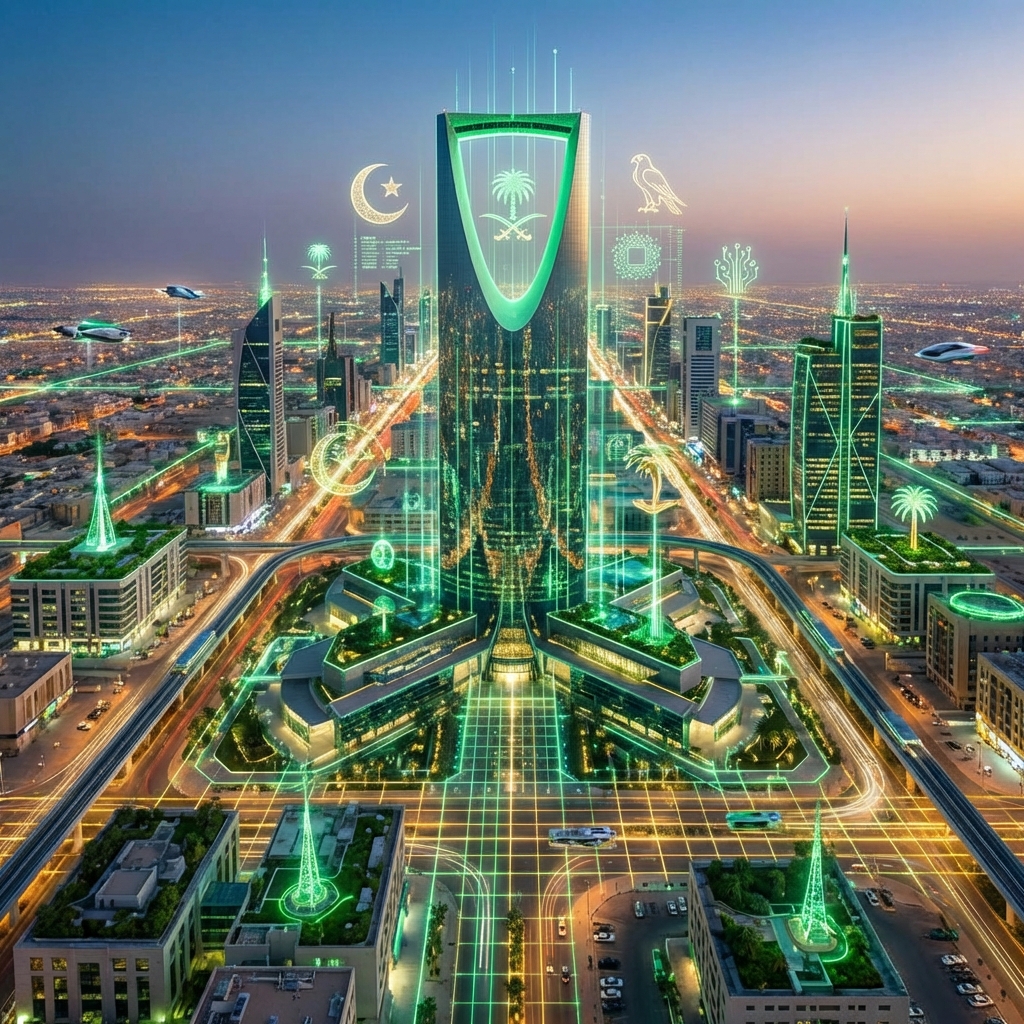
Saudi Vision 2030 is not just a plan for economic diversification; it is a profound reimagining of a nation through the lens of technology. As the Kingdom moves away from oil dependency, the digital economy has emerged as the cornerstone of its new identity. At Codexal, we are closely monitoring how these shifts create unprecedented opportunities for innovation in software development, AI, and cloud infrastructure.
1. Digital Infrastructure: The Backbone of the New Economy
A primary goal of Vision 2030 is to position Saudi Arabia as a global investment powerhouse and a hub connecting three continents. To achieve this, the Kingdom has invested billions in high-speed connectivity and data centers. The deployment of 5G networks across major cities has paved the way for advanced IoT applications and real-time data processing.
According to the National Strategy for Data and AI, the Kingdom aims to attract $20 billion in investment by 2030. This infrastructure is not just for the government; it's a playground for startups and enterprises to build local solutions that can scale globally.
2. Smart Cities and NEOM: Redefining Urban Living
No discussion of Vision 2030 is complete without mentioning NEOM and its centerpiece, The Line. These projects represent the pinnacle of urban technology integration. By leveraging AI-driven logistics, sustainable energy grids, and autonomous mobility, NEOM serves as a "living lab" for the future of humanity.
- AI Integration: Predictive maintenance for infrastructure.
- Sustainability: 100% renewable energy grids managed by smart software.
- Hyper-Connectivity: A seamless digital layer for every citizen interaction.
Explore our services: Learn how we provide custom AI and software solutions to help regional businesses align with Vision 2030 goals.
3. The Fintech Revolution and Financial Inclusion
The financial sector has undergone a massive transformation. The Fintech Saudi initiative has fostered an environment where digital payments, crowdfunded investments, and blockchain solutions thrive. The goal of increasing non-cash transactions to 70% by 2025 is well on track, driven by a young, tech-savvy population.
4. The Role of Generative AI and Local Talent
Saudi Arabia is not just a consumer of technology; it is becoming a producer. Initiatives by SDAIA (Saudi Data and AI Authority) are fostering local talent to build Arabic-centric AI models and software. This "Local Content" focus ensures that the technology developed is culturally relevant and addresses specific regional challenges.
Key Technological Pillars of Vision 2030:
- Cloud First Policy: Encouraging government and private sectors to migrate to secure cloud environments.
- Cybersecurity: Establishing the National Cybersecurity Authority to protect the digital frontier.
- GovTech: Enhancing citizen experiences through platforms like Absher and Tawakkalna.
Conclusion: A Digital Hub in the Making
The synergy between visionary leadership and a relentless pursuit of technological excellence is positioning Saudi Arabia as a global tech hub. As the Kingdom approaches the 2030 milestone, the impact of technology will be felt in every household, business, and industry.
For more insights on regional trends, check our article on Cloud Transformation for Businesses.